
Tooth Pain: When Is It a Simple Problem and When Is It an Emergency?
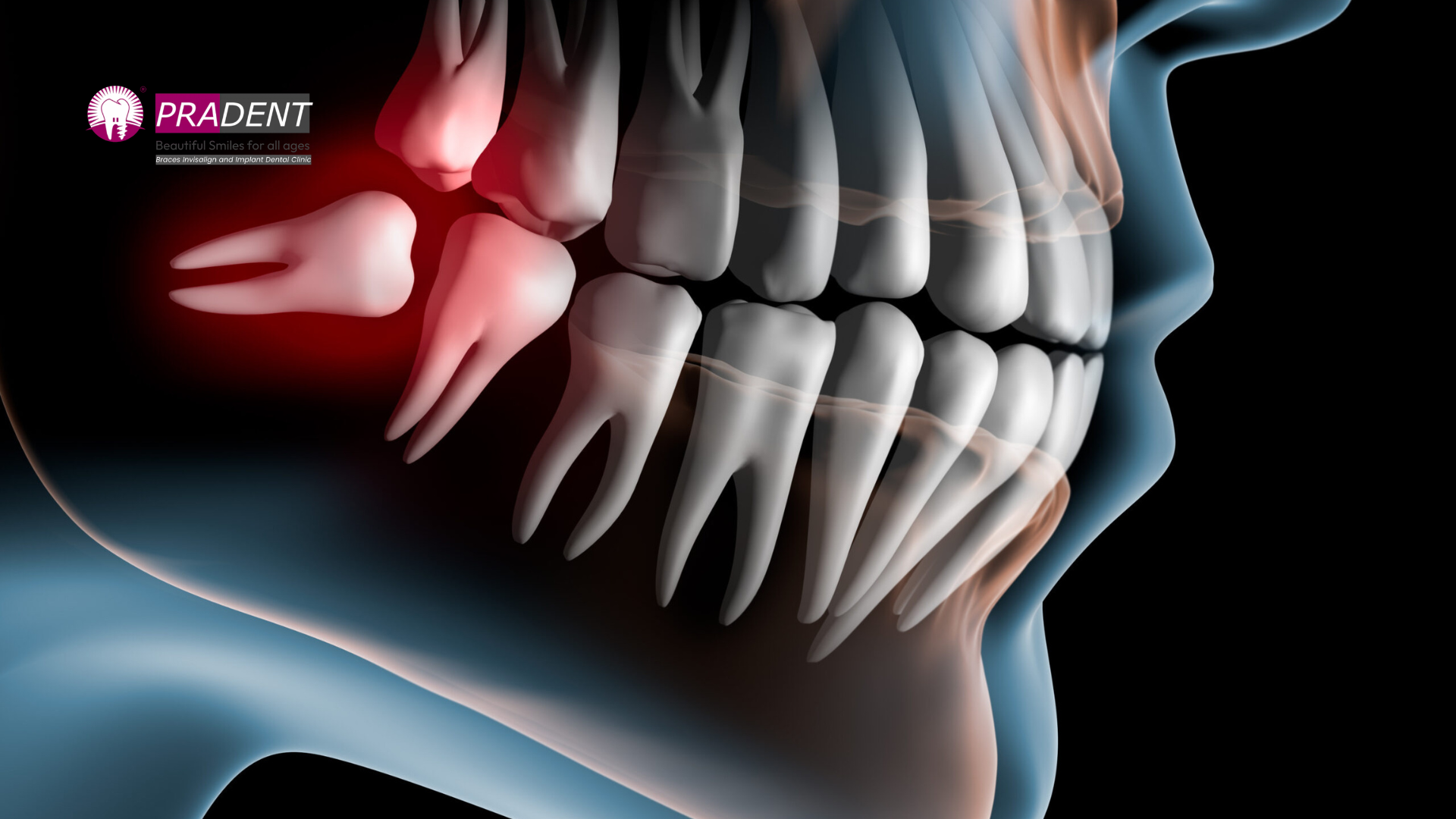
Tooth pain has a way of making everything else feel unimportant. But not all tooth pain means the same thing, some cases can comfortably wait for a regular appointment, while others need attention within hours to prevent serious complications.
Knowing the difference can save you unnecessary worry on a mild day, and precious time on a genuinely urgent one. This blog breaks down how to tell the two apart, and what to do while you wait to be seen.
Why Tooth Pain Varies So Much
Pain is your body’s alarm system, and different dental problems trigger it in different ways. A mild cavity irritating a nerve feels very different from a deep infection pressing against bone and tissue. Understanding the type, pattern, and accompanying symptoms of your pain is far more useful than judging by intensity alone.
Signs of a Simple, Non-Urgent Problem
- Mild sensitivity to hot, cold, or sweet foods that fades quickly
- Occasional dull ache that comes and goes
- Mild discomfort after recent dental work, without worsening
- No visible swelling, fever, or pus
- Pain that’s manageable with over-the-counter relief
These symptoms usually point to early decay, mild gum irritation, or minor sensitivity, issues worth addressing soon, but not requiring an emergency visit.
Signs That Point to a Dental Emergency
- Severe, throbbing pain that doesn’t ease with medication
- Visible facial or gum swelling
- Fever accompanying tooth or jaw pain
- A foul taste or pus near the affected tooth
- Pain that worsens when lying down
- A knocked-out or significantly cracked tooth
- Difficulty swallowing or breathing alongside jaw pain
Facial swelling combined with fever is one of the clearest signs of a spreading dental infection and should be treated as a same-day emergency.
Common Causes Behind Each Category
Usually Simple
- Early tooth decay before it reaches the nerve
- Mild gum inflammation from plaque buildup
- Sensitivity from worn enamel or a recent filling
- Minor food particle trapped between teeth
Usually Urgent
- An abscess, a pocket of infection at the tooth root
- A deeply cracked or fractured tooth exposing the nerve
- Advanced decay that has reached the tooth’s inner pulp
- Trauma from an injury or fall affecting the tooth or jaw
What an Untreated Emergency Can Lead To
Dental infections don’t stay contained indefinitely. Left untreated, an abscess can spread to surrounding tissue, the jaw, and in rare but serious cases, even into the bloodstream or airway. This is exactly why symptoms like facial swelling or fever should never be left to “wait and see.”
What to Do While You Wait to Be Seen
- Rinse gently with warm salt water to reduce bacteria
- Use a cold compress on the outside of the cheek to reduce swelling
- Take over-the-counter pain relief as directed
- Avoid very hot, cold, or hard foods on the affected side
- Do not apply aspirin directly to the gum, it can burn the tissue
These steps only manage symptoms temporarily. They are not a substitute for professional treatment, especially if emergency signs are present.
Pain Location Can Also Be a Clue
Where the pain is felt, and how it behaves, can offer additional hints. Pain concentrated in a single tooth that worsens with biting often points to a cracked tooth or deep decay. Pain that radiates toward the ear, jaw, or neck can indicate a more advanced infection or, occasionally, a jaw joint issue rather than the tooth itself. Pain affecting multiple teeth at once, especially in the upper jaw, is sometimes linked to sinus pressure rather than a dental problem at all.
None of these patterns replace a proper diagnosis, but they can help you describe your symptoms more precisely when you call for an appointment, which often helps the clinic judge how quickly you need to be seen.
How a Dentist Determines Urgency
- A clinical examination of the affected tooth and surrounding gum
- An X-ray to check for infection, fracture, or nerve involvement
- Assessment of swelling, temperature, and overall symptoms
- A same-day treatment plan if infection or significant damage is confirmed
Common Emergency Treatments
Root Canal Treatment
Used when infection or damage has reached the inner pulp of the tooth, removing the source of pain and preserving the natural tooth structure.
Draining an Abscess
If a pocket of infection has formed, it often needs to be drained promptly to relieve pressure and stop the infection from spreading further.
Emergency Extraction
In cases where a tooth is too damaged or infected to save, removal may be the fastest way to resolve pain and prevent further complications.
Tooth Pain Emergencies in Katraj and Ambegaon
Dental emergencies rarely happen at a convenient time, and when they do, having a trusted clinic nearby makes a real difference in how quickly you can get relief. For residents of Katraj and Ambegaon, knowing where to go before pain strikes is far better than searching under pressure at midnight.
Pradent Dental Clinic provides prompt evaluation and treatment for dental emergencies, including severe tooth pain, swelling, and infections, for patients across Katraj, Ambegaon, and the surrounding parts of Pune. If you’re dealing with sudden, severe pain and searching for a dentist near Katraj or an emergency dental clinic in Ambegaon, same-day evaluation is the fastest way to get an accurate diagnosis and appropriate treatment.
Patients experiencing severe tooth pain, swelling, or a dental injury in Katraj, Ambegaon, or nearby areas of Pune can contact Pradent Dental Clinic for prompt evaluation and emergency care.
When in Doubt, Get It Checked
If you’re unsure whether your pain qualifies as an emergency, it’s always safer to have it evaluated rather than wait. A dentist can quickly determine whether you’re dealing with something minor or something that needs immediate attention, and catching a developing problem early is almost always simpler and less costly than treating it after it has progressed.
FAQs — Tooth Pain and Dental Emergencies
Is all tooth pain considered a dental emergency?
No. Mild, intermittent sensitivity is usually not urgent, but severe pain, swelling, or fever should be treated as an emergency.
Can I wait until morning if my tooth pain starts at night?
If there’s no swelling, fever, or severe symptoms, waiting for regular clinic hours is usually fine. If those symptoms are present, seek care as soon as possible.
What does facial swelling with tooth pain usually mean?
It often indicates a spreading infection or abscess, which needs prompt dental attention to prevent further complications.
Is it safe to take painkillers while waiting for a dental appointment?
Over-the-counter pain relief taken as directed is generally safe for temporary relief, but it doesn’t treat the underlying cause.
Where can I get emergency dental care near Katraj or Ambegaon?
Pradent Dental Clinic offers prompt evaluation and treatment for dental emergencies for patients across Katraj, Ambegaon, and surrounding parts of Pune.
Conclusion: Trust the Warning Signs
Tooth pain isn’t something to diagnose by guesswork. Mild, occasional discomfort is often manageable until your next regular visit, but severe pain, swelling, fever, or trauma are signals that shouldn’t be ignored, even for a day.
If you’re currently dealing with tooth pain and unsure which category it falls into, the safest option is a prompt evaluation. Patients across Katraj, Ambegaon, and the wider Pune area can reach out to Pradent Dental Clinic for timely assessment and the right treatment, before a manageable problem turns into a genuine emergency.