The Truth About Braces for Teens: What Parents Wish They Knew Earlier
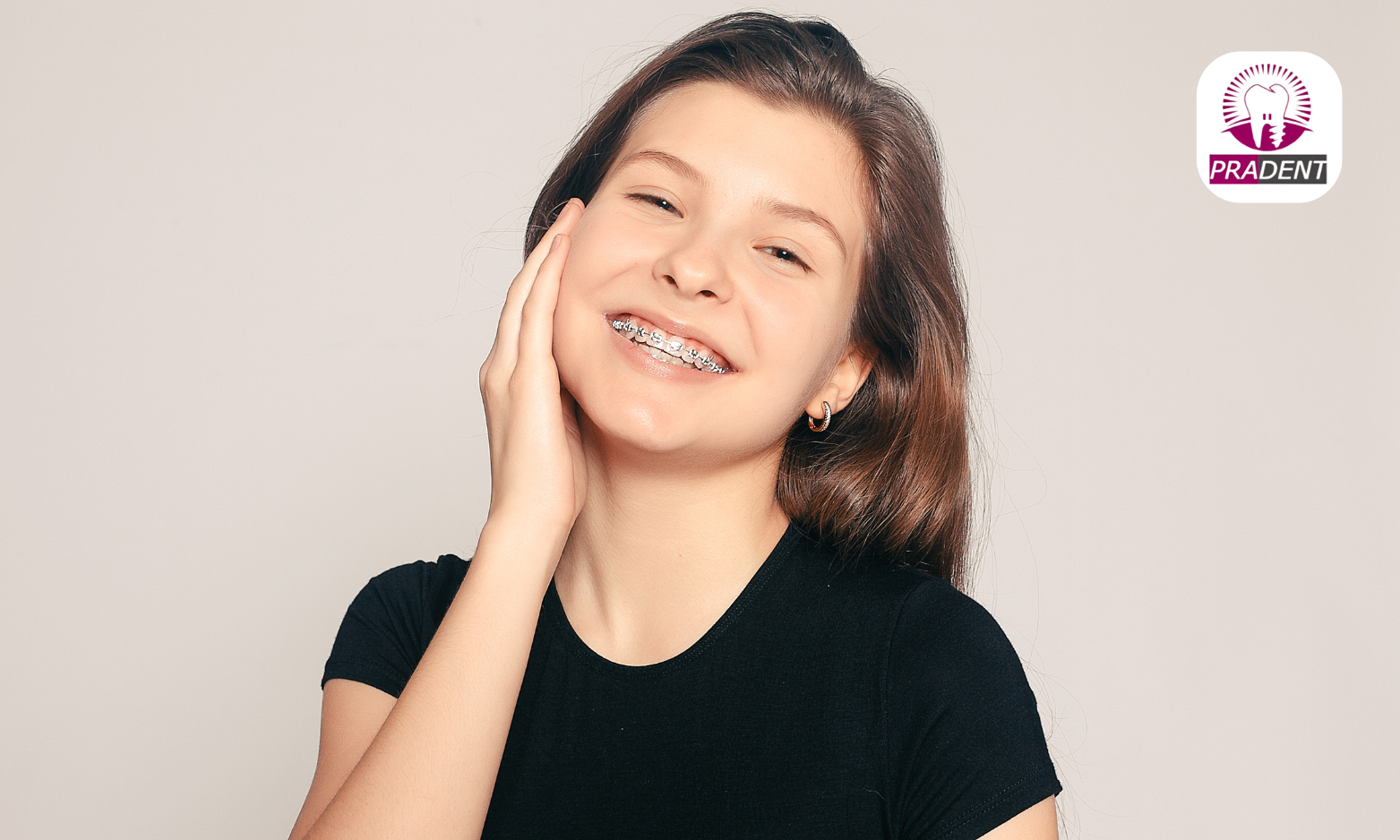
Did you know that nearly 75% of teenagers will need braces for teeth alignment at some point during their adolescent years? Many parents feel overwhelmed when orthodontists first recommend braces for teens, unsure about timing, options, and what the entire process actually involves.
Making decisions about your child’s orthodontic treatment isn’t simple. Questions about the ideal age, treatment types, and how to support your teen emotionally during this process can leave parents feeling unprepared. Unfortunately, many families learn crucial information only after treatment has already begun.
This comprehensive guide reveals everything parents should know before their teen gets braces – from timing considerations to different types of orthodontic options, what the treatment journey really looks like, and how to handle the emotional aspects. Additionally, we’ll cover practical care tips to help your teen maintain their braces properly, ensuring the best possible results for their smile.
Why timing matters more than you think
Timing plays a crucial role in the success of orthodontic treatment. The decision of when to start braces for teens can significantly impact the duration, complexity, and outcomes of the entire process. Understanding the optimal window for treatment can save both time and money while ensuring the best possible results for your teen’s smile.
Ideal age range for braces
The teenage years represent the sweet spot for orthodontic intervention. Most orthodontists agree that patients aged 10 to 14 are the best candidates for braces — specifically when all baby teeth have fallen out and the majority of permanent teeth have grown in [1]. This timing is particularly favorable because:
The adolescent growth spurt creates ideal conditions for tooth movement. During this period, the bones and tissues are more malleable, making it easier to guide teeth into their correct positions [2]. Furthermore, a teenager’s high metabolism can help speed up the movement of teeth, potentially reducing the overall treatment duration [3].
Between ages 11 and 15, orthodontists can effectively harness natural growth to align teeth and jaws more efficiently [4]. At this stage, the bite and alignment issues are usually most noticeable, and treatment can correct them before they become more complex. Treatment at this age is often faster and easier, as the teeth are still somewhat flexible, and the jaw is still developing [4].
Early signs your teen may need orthodontic care
While the teen years may be optimal for treatment, the American Association of Orthodontists (AAO) recommends that children have their first orthodontic evaluation much earlier — by age 7 [4]. This early assessment allows orthodontists to detect potential problems with jaw development and tooth alignment while the child is still growing [5].
Some clear indicators that your teen might need orthodontic intervention include:
- Visibly crooked or misaligned teeth [6]
- Overcrowding or spacing issues between teeth [6]
- Bite problems (overbite, underbite, or crossbite) [6]
- Difficulty chewing or speaking [7]
- Chronic mouth breathing [6]
- Jaw pain or discomfort that might indicate TMJ issues [6]
Early detection of these problems allows orthodontists to monitor growth and development, and sometimes recommend treatment to help guide the jaw’s development [4]. According to research published in the Journal of Pharmacy & Bioallied Sciences, early treatment reduces an overjet by an average of 3.5 mm, corrects overbites by 2.1 mm, and improves skeletal alignment by 2.8 degrees [7].
Why waiting too long can complicate treatment
Delaying orthodontic treatment can transform minor alignment issues into major problems. One of the biggest risks is that minor alignment issues can worsen over time as teeth naturally shift with age [8]. What might start as a small issue could evolve into a more complex case requiring longer and more intensive treatment.
Studies indicate that children who begin orthodontic care by age 7 are twice as likely to complete treatment faster and with fewer complications than those who start treatment in their teenage years [5]. Moreover, the AAO reports that 1 in 3 children who receive early orthodontic intervention avoid the need for more invasive treatments later in life, such as tooth extractions or jaw surgery [5].
Waiting too long can result in the need for extractions, surgical procedures, or extended treatment time with braces [8]. According to a study published in the Journal of Clinical Orthodontics, delaying orthodontic treatment for bite problems increases the likelihood of needing jaw surgery or more complex procedures in the future [5].
Ultimately, understanding the importance of timing can help you make informed decisions about your teen’s orthodontic care, potentially saving them from unnecessary discomfort and more extensive treatment down the road.
Understanding the different types of braces
Choosing the right orthodontic solution for your teen involves understanding the various options available. With modern orthodontic advancements, braces for teens now come in several varieties, each with distinct advantages and considerations.
Traditional metal braces
The most common orthodontic option remains traditional metal braces, which use stainless steel brackets and wires to gradually shift teeth into proper alignment. These braces consist of brackets bonded to each tooth, connected by a flexible archwire that applies gentle pressure over time. Despite their high visibility, many teens appreciate the option to customize their look with colorful elastic bands called ligatures that hold the wire in place.
Metal braces offer exceptional durability and effectiveness, especially for complex orthodontic issues. They’re typically more affordable than alternative options and can treat a wide range of conditions including crooked teeth, crowded teeth, gaps, and bite problems [9]. Their reliability makes them suitable for both mild and severe misalignments [10].
Ceramic braces
For teens concerned about appearance, ceramic braces offer a less noticeable alternative. These work similarly to traditional braces but feature clear or tooth-colored brackets and, occasionally, tooth-colored wires. Though still visible, they blend better with natural teeth, providing a more subtle treatment option.
One drawback worth noting is that ceramic brackets tend to be more fragile than their metal counterparts, making them more susceptible to breakage [9]. They also require extra attention to oral hygiene, as the lighter-colored materials can stain from dark beverages like coffee or red wine [11].
Invisalign and clear aligners
Instead of brackets and wires, clear aligner systems like Invisalign use a series of custom-made transparent plastic trays to gradually move teeth. These removable aligners must be worn for at least 22 hours daily, only removed for eating, drinking, and oral hygiene [9].
Clear aligners offer several advantages: they’re nearly invisible, more comfortable than traditional braces, and allow for easier cleaning. However, they may not be suitable for all teens, particularly those with severe misalignments [10]. Success with aligners largely depends on compliance—teens must be responsible enough to wear them consistently and avoid losing them [12].
Lingual braces
Lingual braces provide ultimate discretion by attaching to the back surfaces of teeth rather than the front. This placement makes them completely invisible when smiling or speaking, a significant advantage for image-conscious teens [13].
Nevertheless, lingual braces require an adjustment period as their positioning may initially cause more discomfort and speech difficulties. They’re also typically more expensive due to their custom-fit nature and the specialized skills required for installation [14]. Despite these considerations, they remain highly effective and can treat many of the same issues as traditional braces.
Damon braces
Damon braces represent an innovative approach using self-ligating technology. Unlike conventional braces that require elastic ties, Damon braces feature a slide mechanism that holds the wire in place, reducing friction and pressure [15].
This system offers several potential benefits including faster treatment times, fewer adjustment appointments, and increased comfort [16]. Available in both metal and clear versions, Damon braces may require less force to move teeth, resulting in a gentler experience [17]. Many orthodontists note that this system can help create broader, more natural smiles with potentially fewer extractions [15].
Ultimately, the best choice depends on your teen’s specific orthodontic needs, lifestyle considerations, and personal preferences. Consulting with an orthodontist will help determine which option offers the optimal combination of effectiveness, comfort, and esthetics for your teenager.
What the treatment journey actually looks like
Once you’ve decided to proceed with braces for teens, understanding the actual treatment process helps both parents and teens know what to expect. From that first appointment to regular adjustments, the orthodontic journey follows a structured path designed to achieve the best possible results.
Initial consultation and evaluation
The orthodontic journey begins with a comprehensive first visit. During this initial consultation, the orthodontist conducts a thorough examination of your teen’s teeth, jaw alignment, and bite [18]. This evaluation typically includes:
- Discussion of specific concerns about teeth, bite, or smile
- Taking diagnostic records including X-rays, photographs, and impressions
- Assessment of dental and orthodontic needs
Based on these findings, the orthodontist develops a personalized treatment plan tailored specifically to your teen’s needs. They’ll explain various treatment options, estimate how long treatment might take, and discuss associated costs [18]. This consultation provides an opportunity to ask questions about the process ahead.
How long treatment usually takes
Most teens wear braces for approximately 18 to 24 months, although treatment duration varies based on individual needs [19]. Some straightforward cases may require as little as 6-12 months, whereas more complex misalignments might extend treatment to 30 months [20].
Several factors influence treatment duration:
- Severity and complexity of the orthodontic issue
- Type of braces chosen
- Age (teens generally respond more quickly to treatment than adults)
- Compliance with orthodontist instructions
Younger teens often experience faster results since their bones are still developing, making teeth movement more efficient [19]. Following the orthodontist’s guidance regarding elastic wear and avoiding foods that damage braces can significantly reduce treatment time.
What happens during check-ups and adjustments
Throughout the treatment process, your teen will visit the orthodontist every 4-6 weeks for adjustments [21]. These regular appointments typically last about 20 minutes [6] and are essential for monitoring progress and ensuring teeth are moving as planned [22].
A standard adjustment appointment follows this pattern:
- The orthodontic assistant removes elastic bands, exposing the archwire
- The archwire is removed for assessment
- The orthodontist evaluates progress and makes necessary adjustments
- A new archwire is placed, and fresh elastics are added (teens can often choose new colors) [21]
After adjustments, some discomfort is normal for a few days as teeth begin shifting. The sensation typically diminishes with each subsequent appointment [21]. Cold compresses, over-the-counter pain relievers, and soft foods can help manage any temporary soreness.
These regular check-ups play a vital role in ensuring the treatment stays on track and addresses any issues promptly, ultimately leading to the best possible outcome for your teen’s smile.
The emotional and social side of braces
Beyond the clinical aspects of orthodontic treatment, braces for teens can significantly impact emotional wellbeing and social interactions. The teenage years already bring challenges in self-identity and peer acceptance, consequently making the addition of braces an emotionally complex experience.
How braces affect teen confidence
For many teenagers, braces initially trigger self-consciousness and concerns about appearance. Approximately 56.9% of teens with newly placed braces report feeling uncomfortable or embarrassed [7]. In fact, teens between 14-17 years old often experience higher levels of anxiety about peer perception [23].
Yet as treatment progresses, this emotional trajectory typically improves. Research shows that 70.6% of orthodontic patients demonstrate improved self-esteem as treatment advances [24]. Indeed, studies indicate that once teeth begin shifting into proper alignment, many teens experience greater confidence in social settings [7].
Helping your teen feel comfortable with their smile
Parents play a crucial role in shaping their teen’s attitude toward orthodontic treatment. First, normalize the experience by reminding teens that between 50-70% of their peers will undergo orthodontic treatment [25]. Additionally, encourage open communication about any discomfort or concerns.
Speaking positively about the braces journey makes a substantial difference. Avoid negative terminology like “metal mouth” or treating braces as an “awkward phase” [25]. Instead, emphasize progress and celebrate small milestones throughout treatment.
Making treatment fun and engaging
Personalizing the experience helps teens feel ownership over their orthodontic journey. Many orthodontists offer colorful bands that teens can customize according to holidays, school colors, or personal style [26]. This simple customization option transforms braces from something they “have to do” into something they “get to do” [27].
Some practices create engaging environments through contests, rewards programs, or even special events like pool parties [5]. Furthermore, siblings with braces simultaneously can develop friendly competition about treatment progress, turning orthodontics into a shared experience [8].
Remember that braces represent a temporary investment with lifelong benefits. As the research confirms, the temporary social concerns of wearing braces are far outweighed by the lasting confidence of a healthy, aligned smile [28].
Caring for braces and avoiding common mistakes
Proper maintenance of braces for teens is crucial for treatment success and preventing unexpected orthodontic visits. The care routine may seem overwhelming at first, yet with consistent habits, it becomes second nature.
Foods to avoid
Certain foods can damage brackets, bend wires, or become trapped in braces, potentially extending treatment time. First and foremost, teens should avoid:
- Hard foods: nuts, ice, popcorn, hard taco shells, and whole raw vegetables
- Sticky foods: caramel, taffy, gummy candy, chewing gum, and licorice
- Crunchy items: chips, pretzels, hard cookies, and crusty bread
- Chewy foods: bagels, beef jerky, and tough meats
For fruits and vegetables, cutting them into small, bite-sized pieces makes them safer to eat. Plus, always remind your teen to chew with their back teeth rather than biting with front teeth to minimize pressure on brackets.
Oral hygiene tips for teens with braces
Maintaining oral hygiene becomes even more important with braces. Teens should brush after every meal (ideally 5 times daily) for at least 2 minutes each time. A soft-bristled toothbrush angled at 45 degrees helps clean both above and below brackets.
Flossing daily remains essential, though more challenging. Floss threaders or orthodontic floss make reaching between wires and teeth easier. Interdental brushes or water flossers are excellent tools for removing debris from hard-to-reach areas.
Antimicrobial mouthwash can help reduce plaque in areas missed by brushing and flossing, alongside reducing the risk of gingivitis that could slow tooth movement.
What to do if something breaks
If a bracket loosens, check if it’s completely detached. If it’s still attached to the wire, leave it in place and cover with orthodontic wax to prevent irritation until an appointment can be scheduled.
For protruding wires, gently push them back with a cotton swab or pencil eraser. If that’s not possible, cover the sharp end with orthodontic wax.
Most importantly, contact your orthodontist promptly about any breakage rather than waiting for the next scheduled visit, as delays can reverse progress and potentially extend treatment time.
Conclusion
Embarking on the orthodontic journey with your teen represents a significant investment in their future smile and confidence. Throughout this process, timing truly matters – catching orthodontic issues during the optimal 10-14 age window allows for more efficient treatment and potentially fewer complications. Additionally, understanding the full spectrum of options beyond traditional metal braces gives your family meaningful choices that balance effectiveness with your teen’s preferences and lifestyle needs.
The treatment journey itself requires patience. Most teens will wear braces for 18-24 months, attending regular adjustment appointments every 4-6 weeks. During this time, your supportive approach makes a tremendous difference. Parents who normalize the experience and celebrate progress help their teens navigate the emotional aspects of wearing braces much more successfully.
Proper care remains essential for treatment success. Your teen must avoid potentially damaging foods, maintain meticulous oral hygiene, and promptly address any breakage. These habits not only protect their orthodontic investment but also teach valuable discipline and responsibility.
Remember that temporary discomfort and adjustment periods eventually give way to lasting benefits. The teen years pass quickly, but a properly aligned smile lasts a lifetime. Armed with this knowledge, you can confidently guide your teen through this important phase, helping them achieve not just straight teeth, but also the self-assurance that comes with a healthy, beautiful smile.
References
[1] – https://www.parrisorthodontics.com/blog/posts/teen-vs-adult-braces–when-should-i-get-them
[2] – https://www.weaverorthodontics.com/why-adolescence-is-the-best-time-for-orthodontic-treatment/
[3] – https://allenorthodontist.com/teen-orthodontic-treatment/
[4] – https://www.warringtonortho.com/what-is-the-best-age-to-visit-an-orthodontist/
[6] – https://oralb.com/en-us/oral-health/life-stages/braces/follow-up-visits-what-to-expect/
[7] – https://wowbraces.com/unlocking-confidence-the-importance-of-braces-for-teenagers/
[8] – https://swihartorthodontics.com/gamifying-orthodontic-care-making-braces-fun-for-kids/
[9] – https://my.clevelandclinic.org/health/treatments/24601-teeth-braces
[10] – https://www.orangecoastortho.com/blog/braces-for-teens-what-are-your-options/
[11] – https://shermanbalhoff.com/2022-1-27-ceramic-braces-vs-metal-braces/
[12] – https://happykidsdental.co.uk/teenagers/invisalign-teen-cos-pros/
[13] – https://theorthodonticspecialist.co.uk/teen-orthodontics/teen-lingual-braces-amersham/
[14] – https://porth.io/education-hub/lingual-braces-for-teens/
[15] – https://damonbraces.com/en-us/blog/expert-advice-on-braces-for-teens
[16] – https://damonbraces.com/en-us
[17] – https://www.spielberg-ortho.com/services/damon-braces-for-kids-and-teens
[19] – https://smilebliss.com/geo/how-long-should-teens-have-braces-marietta/
[20] – https://bernsteinortho.com/how-long-do-teens-typically-wear-braces/
[21] – https://www.myortho.ca/site/blog/2023/06/30/how-prepare-braces-adjustment-appointment
[23] – https://elaraorthodontics.com/blog/the-psychological-impact-of-orthodontic-treatment-on-teenagers/
[24] – https://pmc.ncbi.nlm.nih.gov/articles/PMC8600842/
[25] – https://ffpeds.com/helping-your-child-feel-confident-while-wearing-braces/
[26] – https://exeter-smiles.com/helping-teens-stay-confident-with-braces/
[28] –https://theorthodonticplace.com.au/news/teen-braces-social-concerns-guide/vvvvvvvvvvvvvvvvvvvvvvvvvvvvvvvvvvvvvvvvvvvvvvvvvvvvv