
Should You Replace a Missing Tooth Immediately?
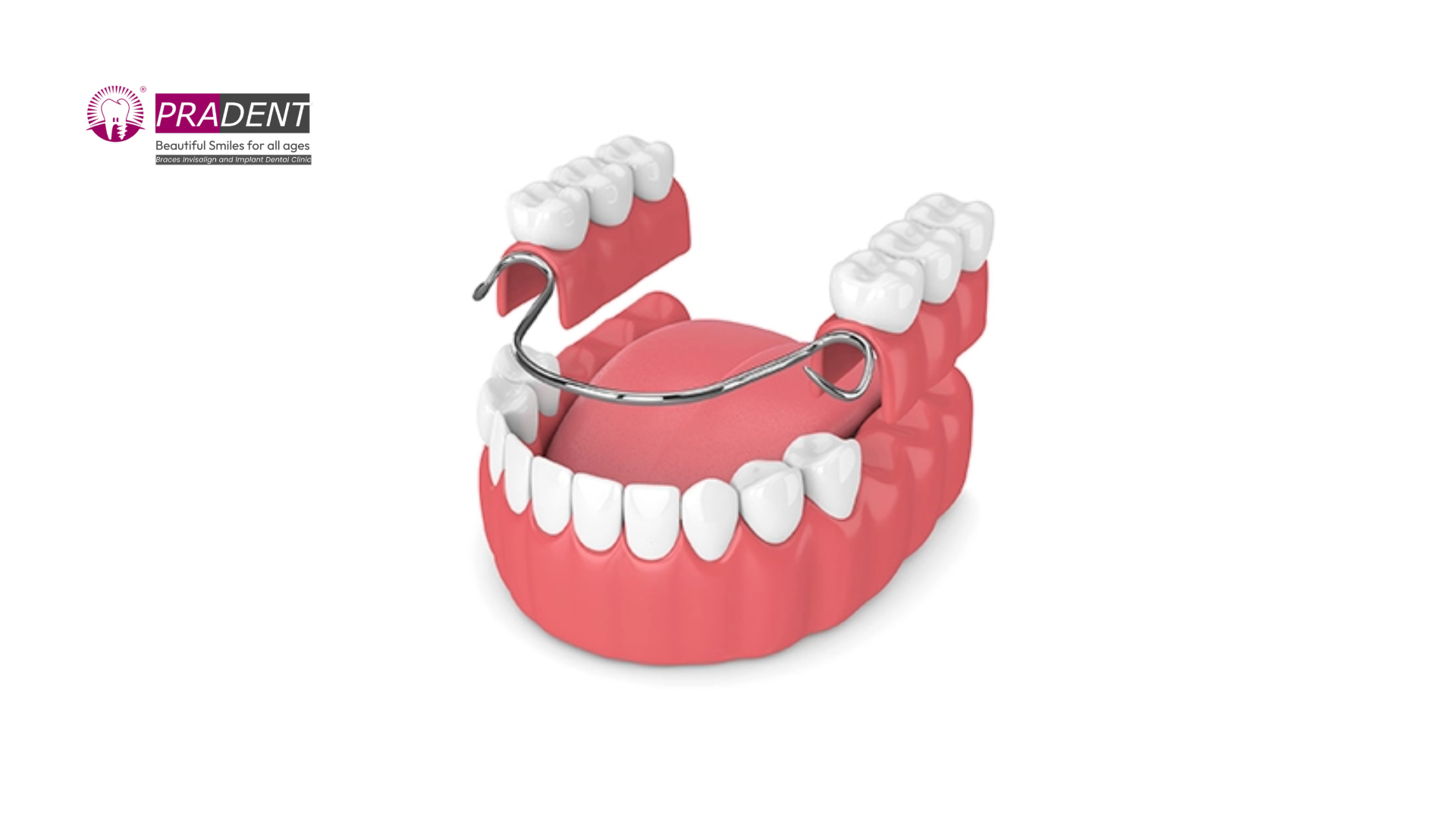
When a tooth is lost, whether through extraction, injury, or decay, one of the first questions patients ask is whether they need to replace it right away, or whether it can wait. There’s no one-size-fits-all answer, but there is a clear, evidence-based way to think about it.
This blog walks through what actually happens when you delay tooth replacement, when waiting is reasonable, and when immediate treatment genuinely makes a difference.
Why This Question Comes Up So Often
Tooth replacement isn’t cheap, and it isn’t always urgent-feeling, especially if the gap isn’t visible when you smile. It’s natural to wonder whether you can put it off for a few months, or longer, without real consequences.
The answer depends on a few specific factors: which tooth was lost, how long ago, your bone health, and what’s happening with the surrounding teeth.
What Happens in the First Few Months After Tooth Loss
- The jawbone in that area starts losing density within weeks of losing the root’s stimulation
- Neighbouring teeth begin drifting toward the empty space
- The opposing tooth can start to over-erupt into the gap
- Chewing patterns shift, often putting more strain on remaining teeth
Bone loss begins remarkably early, often within the first 3 to 6 months after extraction, before most patients notice any visible change.
The Case for Immediate Replacement
Front Teeth
Aesthetics aside, front teeth play a visible role in speech and confidence. Most patients are far less willing to wait when the gap is visible, and dentists generally support replacing front teeth sooner to avoid the social and psychological impact of an obvious gap.
Teeth Under Heavy Bite Load
Molars absorb the majority of chewing force. Leaving a back tooth unreplaced for too long can lead to more pronounced bite shifting and uneven wear on the teeth picking up the extra load.
Patients With Good Bone Health
When bone density is strong and the surrounding teeth are healthy, immediate dental implants are often possible, sometimes placed the same day as an extraction, avoiding a second surgical visit altogether.
Cases With Multiple Missing Teeth
The more teeth missing, the more the remaining bite has to compensate, which accelerates strain on the jaw joint and remaining natural teeth. Waiting tends to compound the complexity here more than with a single tooth.
When Waiting Is Reasonable
Healing Time After Extraction
In many cases, a short healing period, typically 8 to 12 weeks, is actually recommended before placing an implant, to allow the extraction site to heal and stabilise before introducing new pressure.
Insufficient Bone Volume
If significant bone loss has already occurred, a bone grafting procedure may be needed first. This adds time to the process but isn’t the same as indefinitely postponing replacement, it’s a necessary preparatory step.
Financial or Personal Timing
A brief, planned delay of a few months, while actively working toward treatment, is very different from leaving a gap unaddressed for years. The distinction matters far more than people realise.
Immediate Implants: How They Work
In select cases, a dental implant can be placed in the same appointment as a tooth extraction. This approach, often called immediate implant placement, can reduce total treatment time and avoid a second surgical procedure.
- Requires healthy surrounding bone and gum tissue
- Not suitable for sites with active infection
- Involves a thorough evaluation, including a 3D scan, before your dentist recommends it
- May still need a healing period before the final crown is attached
What Happens If You Wait Too Long
There’s a meaningful difference between a short, planned delay and years of postponement. The longer a tooth goes unreplaced, the more likely you are to need additional preparatory work, such as bone grafting or orthodontic correction of shifted teeth, before a replacement can even be placed.
- Increased bone loss, sometimes requiring grafting before implant placement
- Shifted neighbouring teeth complicating the eventual restoration
- A more time-consuming and costly treatment plan overall
- Greater strain on the bite and jaw joint
Replacement Options and Their Timing Considerations
Dental Implants
Best long-term option for preserving bone; can sometimes be placed immediately, though healing time before the final crown is standard.
Bridges
Can typically be completed within a few weeks once the site has healed enough; relies on neighbouring teeth for support.
Implant-Supported Dentures
Suitable for multiple missing teeth; timing depends on the number of implants required and individual healing.
Why Dentists Rarely Give a One-Word Answer
When patients ask this question, they’re often hoping for a simple yes or no. In practice, an experienced dentist will almost always want to look at your specific X-rays or scan before answering, because the right timing genuinely varies from case to case. A molar with strong surrounding bone and no infection behaves very differently from a front tooth lost due to gum disease, even though both are technically “a missing tooth.”
This is also why online advice, including general guides like this one, is meant as a starting point for understanding the factors involved, not a substitute for an in-person evaluation of your particular gap.
How to Decide What's Right for You
The most reliable way to answer this question for your specific situation is a proper evaluation, one that looks at your bone density, gum health, bite, and which tooth is involved. What’s right for a molar with strong surrounding bone may be completely different from what’s right for a front tooth with early bone loss.
FAQs — Replacing a Missing Tooth
Can an implant be placed the same day a tooth is removed?
In some cases, yes. This depends on bone quality, absence of infection, and overall site health, which your dentist will assess.
How long can I safely wait before replacing a tooth?
There’s no universal number, but noticeable bone loss and shifting can begin within a few months, so it’s best not to delay longer than necessary.
Does waiting always mean I’ll need a bone graft?
Not always, but the longer the delay, the higher the likelihood, especially in areas with naturally thinner bone.
Is it worse to replace a back tooth late compared to a front tooth?
Both carry consequences. Back teeth affect bite and chewing function, while front teeth affect appearance and speech, timing matters for different reasons in each case.
What if I can’t afford immediate replacement?
Discuss a realistic timeline with your dentist. A short, planned delay while preparing for treatment is manageable, the goal is avoiding indefinite postponement.
A Simple Way to Think About the Decision
If you’re unsure where your situation falls, it helps to separate the question into two parts: is there an active reason to wait, such as healing, infection, or insufficient bone, and is there a plan in motion to address it. If both answers are yes, a short delay is reasonable. If the gap has simply been left unaddressed with no active plan, that’s the scenario dentists generally advise against.
- Active reason to wait + a plan in motion = reasonable, temporary delay
- No active reason, no plan = the scenario most likely to lead to complications
Conclusion: Sooner Is Usually Better, With Exceptions
As a general rule, replacing a missing tooth sooner rather than later helps preserve bone, prevent shifting, and avoid more complex treatment down the line. That said, a short, medically appropriate healing period isn’t the same as indefinite delay, and in some cases, waiting briefly is exactly the right call.
The best next step is a proper consultation to understand where your specific case falls, because for tooth replacement, timing genuinely does affect both the complexity and the long-term success of treatment.