Dental Implants in Pune: Who Is a Good Candidate?
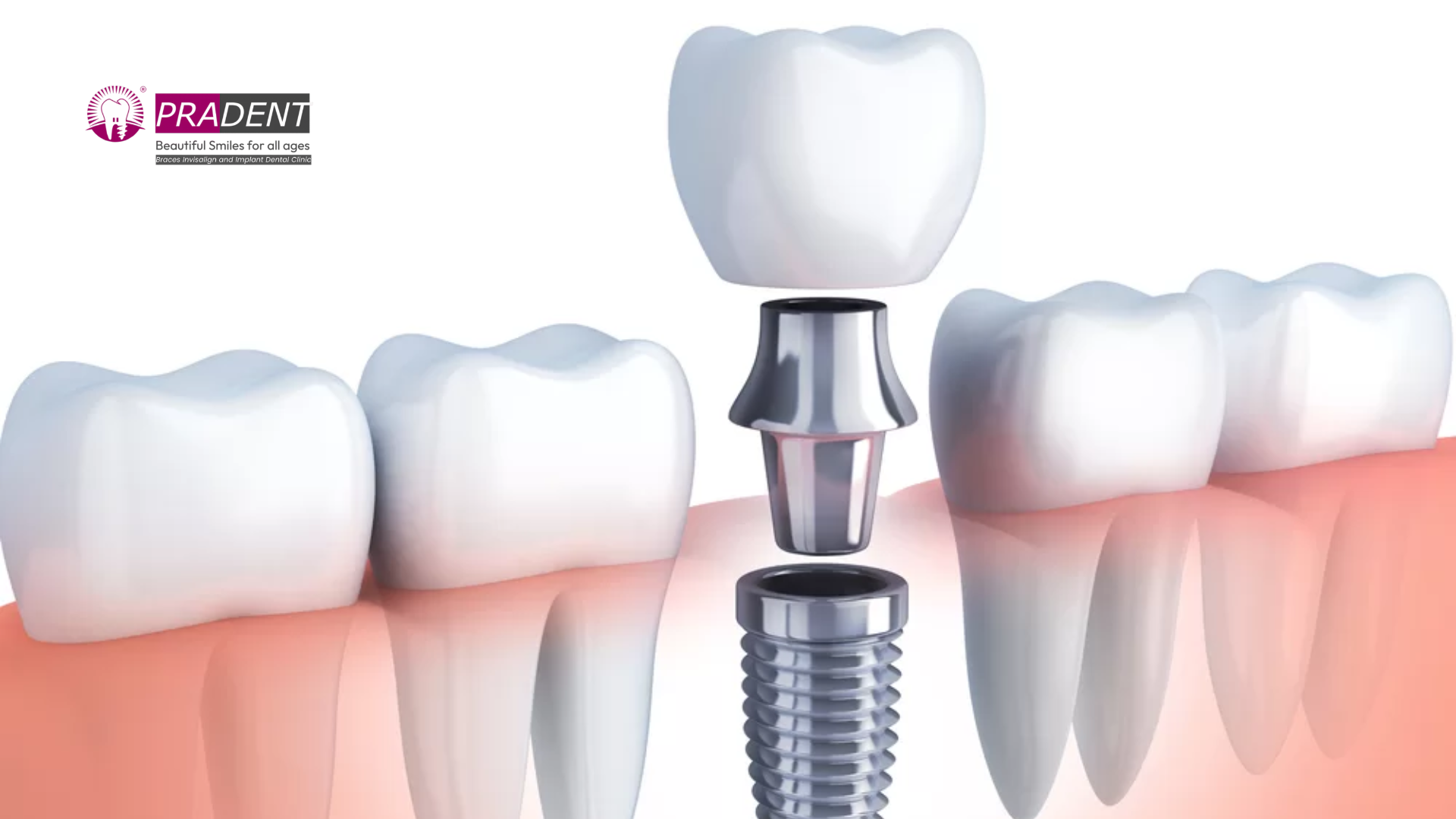
Dental implants have become the most recommended way to replace a missing tooth, but not every patient who wants one is automatically a candidate on day one. The good news is that with modern diagnostics and preparatory treatments, the vast majority of patients in Pune considering implants can become good candidates, even if they don’t qualify immediately.
This blog walks through exactly what makes someone a good candidate for dental implants, what can be done if you’re not quite there yet, and how to find out where you stand.
What Makes Someone a Good Candidate?
At a basic level, a good implant candidate has enough healthy jawbone to support the implant, healthy gums free of active disease, and overall health that allows normal healing. Beyond that baseline, most healthy adults, regardless of age, are reasonable candidates.
- Sufficient jawbone density and volume at the implant site
- Healthy gums, free of active periodontal disease
- Good general health that supports normal healing
- Commitment to maintaining oral hygiene after treatment
Age alone is rarely a barrier to dental implants, what matters far more is the health of your bone and gums.
Ideal Candidates: What They Typically Have in Common
Adequate Bone Density
Since the implant fuses directly with the jawbone, there needs to be enough bone volume and density to support it securely. This is assessed through a 3D scan before any treatment is planned.
Healthy, Disease-Free Gums
Active gum disease needs to be treated and stabilised before implant placement, since it directly affects how well the surrounding tissue can support the implant long-term.
Non-Smokers or Light Smokers
Smoking significantly slows healing and increases the risk of implant failure. Patients who smoke aren’t automatically disqualified, but are usually advised to reduce or quit before and after treatment.
Well-Managed Chronic Conditions
Patients with diabetes, for example, can absolutely get implants, provided their blood sugar levels are well controlled, since uncontrolled diabetes can affect healing.
What If You're Not an Ideal Candidate Yet?
This is where modern dentistry has changed the picture significantly. Many patients who wouldn’t have qualified for implants a decade ago can now become candidates through relatively straightforward preparatory treatment.
Bone Grafting
- Rebuilds bone volume in areas where it has been lost
- Common after long-term tooth loss or gum disease
- Requires a healing period before implant placement
Sinus Lift Procedures
- Used specifically for upper back teeth near the sinus cavity
- Creates additional bone height for implant support
Gum Disease Treatment
- Stabilises active infection and inflammation first
- Implant placement follows once gum health is restored
Better Management of Health Conditions
- Improved blood sugar control for diabetic patients
- Medical clearance for patients on certain medications
Who Should Be Extra Cautious
- Patients with uncontrolled diabetes or untreated autoimmune conditions
- Heavy smokers unwilling to reduce use around the procedure
- Patients with significant, untreated bone loss and no plan for grafting
- Those on certain bone-affecting medications without medical clearance
Even in these cases, a conversation with your dentist and, where relevant, your physician, often reveals a path forward rather than a permanent no.
The Evaluation Process
Step 1 – Clinical Examination
- Assessment of gum health and remaining teeth
- Review of medical history and current medications
Step 2 – 3D Imaging
- Detailed scan of bone density and structure
- Identification of nerve and sinus positions
Step 3 – Treatment Planning
- Determination of whether grafting or other prep is needed
- A realistic timeline based on your specific case
Why a Proper Evaluation Beats Guessing
It’s tempting to self-assess candidacy based on age, a rough sense of bone loss, or something read online, but bone density in particular isn’t something that can be judged visually or by how a tooth feels. A 3D scan gives an exact measurement of bone volume and quality at the specific implant site, which is the only reliable basis for a candidacy decision. Two patients of the same age and similar tooth loss history can have very different bone conditions, one might be ready for immediate implant placement, while the other needs grafting first.
Age and Dental Implants
There’s no upper age limit for dental implants. Patients in their 60s, 70s, and beyond regularly receive implants successfully, provided their bone and gum health support it. The main consideration for older patients is usually bone density and any chronic health conditions, both of which are assessed during evaluation rather than assumed based on age.
Dental Implants in Pune: Access and Convenience
For patients across Pune, convenience plays a real role in following through with implant treatment, which typically involves several visits from initial evaluation through to the final crown. A dental clinic that’s easy to reach makes it far easier to stay consistent with the healing timeline and follow-up appointments implants require.
Pradent Dental Clinic provides dental implant consultations and treatment for patients across Pune, including Katraj, Ambegaon, and surrounding areas, using digital 3D scanning to assess candidacy accurately from the first visit. Whether you’re searching for dental implants in Katraj, an implant dentist near Ambegaon, or simply want a clear answer on whether you’re a good candidate, a proper evaluation is the only reliable way to know.
Patients across Pune, including Katraj, Ambegaon, and nearby areas, can schedule a dental implant evaluation at Pradent Dental Clinic to find out whether they’re a good candidate and what preparatory steps, if any, might be needed.
What to Expect at Your Implant Consultation
- A full review of your dental and medical history
- A 3D scan to assess bone volume and quality
- A clear answer on your candidacy, or what’s needed to get there
- A realistic timeline and treatment plan if you move forward
FAQs — Dental Implant Candidacy
Can I get dental implants if I have bone loss?
In most cases, yes, through a bone grafting procedure that rebuilds sufficient volume before implant placement.
Is there an age limit for dental implants?
No. What matters is the health of your bone and gums, not your age, patients in their 60s and 70s successfully receive implants regularly.
Can diabetics get dental implants?
Yes, provided blood sugar levels are well managed, since uncontrolled diabetes can affect healing after implant placement.
Does smoking rule out dental implants completely?
Not necessarily, but smoking increases the risk of implant failure, and reducing or quitting around the time of treatment is generally recommended.
Where can I get a dental implant evaluation in Pune?
Pradent Dental Clinic offers dental implant consultations and treatment for patients across Pune, including Katraj and Ambegaon.
Conclusion: Most Patients Have a Path to Candidacy
Being a good candidate for dental implants isn’t a fixed, all-or-nothing status. While ideal candidates have healthy bone and gums from the start, many patients who don’t initially qualify can become candidates through bone grafting, gum treatment, or better management of an existing health condition.
The only reliable way to know where you stand is a proper evaluation, including a 3D scan of your jawbone. Patients across Pune, including Katraj and Ambegaon, can get that clarity at Pradent Dental Clinic, with a straightforward assessment of your candidacy and, if needed, a clear plan to get there.