Are Dental Implants Safe? Everything You Need to Know Before Treatment
Missing a tooth changes more than your smile. It changes how you chew, how your jawbone is stimulated, and eventually how your face holds its shape. Dental implants have become the most trusted long-term solution for replacing missing teeth, but many patients still hesitate, wondering: are dental implants actually safe?
This blog breaks down the science, the process, and the real risks, so you can make an informed decision before you sit in the dental chair.
What Exactly Is a Dental Implant?
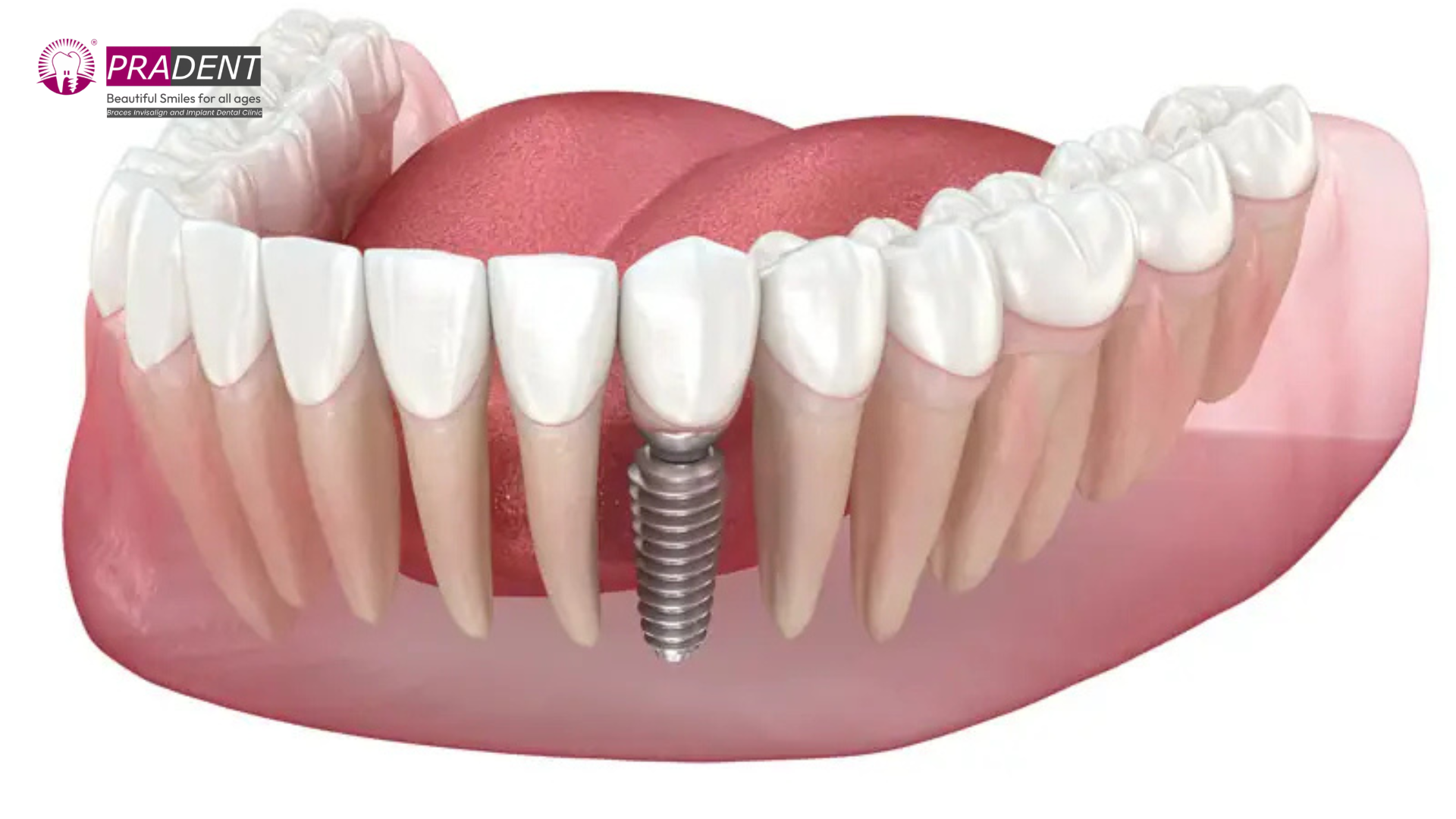
A dental implant is a small titanium or zirconia post that is surgically placed into the jawbone, acting as an artificial tooth root. Once it fuses with the bone, a custom crown is attached on top, giving you a replacement tooth that looks, feels, and functions like a natural one.
The Three Parts of an Implant
- Implant fixture – the post placed inside the jawbone
- Abutment – the connector piece between the implant and the crown
- Crown – the visible, tooth-shaped part that restores your bite and smile
Why the Safety Question Comes Up So Often
Any procedure that involves surgery naturally raises questions. Patients often confuse general surgical risk with implant-specific risk, or rely on outdated information from decades ago when implant technology was far less refined.
In simple terms, modern dental implants are backed by more than 50 years of clinical research, continuous material advancements, and success rates that consistently rank among the highest in dentistry.
Dental implants have a documented success rate of 95–98% when placed by a trained professional after proper evaluation.
What Makes Dental Implants Safe
Biocompatible Materials
Titanium and zirconia are biologically inert, meaning the body rarely rejects them. Titanium in particular has a unique property called osseointegration, where the jawbone actually fuses to the implant surface, creating a stable, long-term anchor.
Decades of Clinical Evidence
Dental implants are one of the most researched procedures in modern dentistry, with long-term studies tracking patients for 20, 30, and even 40 years after placement.
Precise Digital Planning
Modern clinics use 3D imaging and digital scanning to map the jawbone, nerve pathways, and sinus location before any drilling begins. This dramatically reduces the chances of complications during surgery.
Minimally Invasive Techniques
Guided implant surgery allows dentists to place implants with sub-millimeter accuracy, reducing tissue trauma, bleeding, and recovery time compared to older freehand methods.
The Implant Placement Process, Step by Step
Step 1 – Comprehensive Evaluation
- 3D CBCT scan of the jaw
- Assessment of bone density and gum health
- Review of medical history and any risk factors
Step 2 – Treatment Planning
- Digital mapping of implant position and angle
- Selection of implant size and material
Step 3 – Implant Placement
- Local anaesthesia for a pain-free procedure
- Precise placement guided by the digital plan
Step 4 – Healing and Osseointegration
- Bone fuses with the implant over 8 to 16 weeks
- Temporary restoration may be provided during healing
Step 5 – Final Restoration
- Custom crown attached to the healed implant
- Bite adjusted for natural, comfortable chewing
Who Is a Good Candidate for Dental Implants?
Most healthy adults with sufficient jawbone density are excellent candidates. Even patients with bone loss can often qualify after a bone grafting procedure.
Ideal Candidates Generally Have
- Good overall oral and gum health
- Adequate bone volume, or willingness to undergo grafting
- Controlled management of conditions like diabetes
- Commitment to good oral hygiene after treatment
Factors That Need Extra Evaluation
- Uncontrolled diabetes or autoimmune conditions
- Heavy smoking, which can slow healing
- Significant bone loss without prior grafting
- Certain medications affecting bone metabolism
Potential Risks and Complications
Like any surgical procedure, dental implants do carry some risk, though serious complications are uncommon when treatment is planned correctly.
- Minor swelling or discomfort for a few days
- Infection at the implant site if hygiene is neglected
- Implant failure due to insufficient bone integration
- Nerve or sinus involvement in rare, poorly planned cases
Most complications are linked to inadequate planning or poor aftercare, not the implant itself.
How Dentists Minimize Risk
- Detailed 3D imaging before every procedure
- Sterile, controlled surgical environments
- Use of guided surgical templates for accuracy
- Clear pre- and post-operative instructions
- Regular follow-up visits to monitor healing
Recovery and Aftercare
Recovery is usually straightforward. Mild swelling and tenderness in the first 48 to 72 hours is normal and manageable with prescribed medication.
Tips for a Smooth Recovery
- Stick to soft foods for the first few days
- Avoid smoking, which slows healing significantly
- Maintain gentle oral hygiene around the surgical site
- Attend every scheduled follow-up appointment
Dental Implants vs Other Replacement Options
Bridges and dentures remain viable options for some patients, but neither preserves the jawbone the way an implant does. Without a tooth root stimulating the bone, the jaw gradually loses density and volume over time, a process implants are uniquely able to prevent.
The Role of Expertise in Implant Safety
The single biggest factor in implant safety isn’t the implant material, it’s the skill of the person placing it. Proper case selection, precise surgical technique, and honest communication about risk all come down to the dentist’s training and experience.
A well-planned implant procedure, backed by digital diagnostics and a thorough evaluation, is one of the safest and most predictable treatments in dentistry today.
FAQs — Dental Implant Safety
Are dental implants painful?
The procedure is performed under local anaesthesia, so patients feel little to no pain during placement. Mild soreness afterward is normal and manageable.
How long do dental implants last?
With proper care, implants can last 20 years or longer, and many last a lifetime.
Can implants fail?
Implant failure is uncommon but can occur due to infection, insufficient bone density, or poor aftercare. Careful planning greatly reduces this risk.
Is bone grafting always required?
No. Bone grafting is only needed when there isn’t enough jawbone volume to support an implant.
Are dental implants safe for older adults?
Yes. Age alone is not a barrier. What matters more is overall health and bone quality.
What Determines the Long-Term Success of an Implant?
An implant’s safety doesn’t end once the crown is fitted. Long-term success depends on how well the implant is maintained and how closely the treatment plan matched the patient’s bone and bite in the first place.
- Bone density and quality at the implant site
- Precision of the initial surgical placement
- Consistency of daily oral hygiene
- Routine dental check-ups every 6 months
- Avoiding habits like smoking or teeth grinding
Patients who follow these basics rarely experience problems years down the line, which is why implant maintenance is often described as similar to caring for natural teeth.
Cost and Safety: Why Cutting Corners Is Risky
Dental implants are an investment, and it can be tempting to choose the lowest-cost option available. However, safety is closely tied to the quality of diagnostics, the implant brand used, and the experience of the surgeon.
Lower-cost treatments sometimes skip steps like 3D imaging or use unverified implant systems, both of which increase the risk of complications. A slightly higher upfront cost for proper planning is almost always safer and more cost-effective in the long run, since implant failure often means additional corrective treatment.
Conclusion: Making an Informed Decision
Dental implants are backed by decades of research, refined surgical techniques, and materials the body accepts extremely well. When placed by an experienced clinician after thorough evaluation and planning, they remain one of the safest and most reliable ways to replace a missing tooth.
If you’re considering dental implants, the most important step is a proper consultation, one that reviews your bone health, medical history, and treatment goals before any decision is made.