Can Missing Teeth Affect Your Overall Health?
A missing tooth is easy to dismiss, especially if it’s at the back of your mouth where no one else can see it. Many patients live with a gap for years, assuming it’s a cosmetic issue at worst. In reality, an untreated missing tooth sets off a chain of changes that can affect your bite, your jawbone, your other teeth, and, over time, your general health.
This blog looks at what actually happens in your mouth and body when a tooth is left unreplaced, and why timely tooth replacement matters more than most people realise.
What Happens Immediately After Losing a Tooth
The moment a tooth is lost, whether from decay, injury, or extraction, the surrounding teeth and jawbone lose a source of support and stimulation they relied on every day.
- Neighbouring teeth lose lateral support and can begin to tilt
- The opposing tooth in the other jaw starts to over-erupt into the gap
- Chewing shifts unevenly to the remaining teeth
- The jawbone beneath the gap stops receiving stimulation
The Domino Effect on Your Bite
Teeth don’t exist in isolation, they hold each other in position as part of a connected arch. When one is missing, nearby teeth gradually drift toward the empty space, and the opposing tooth can super-erupt, sometimes into the gum tissue itself.
Over months and years, this shifting changes how your upper and lower teeth meet, leading to an uneven bite that puts extra strain on your jaw joints and remaining teeth.
Even a single missing tooth left untreated for a year or more can measurably shift the position of neighbouring teeth.
Bone Loss: The Hidden Consequence
This is the part most patients don’t see coming. Your jawbone stays strong and dense because the roots of your teeth stimulate it every time you bite and chew. Remove a tooth, and that stimulation disappears from that specific area.
What Happens to the Jawbone Over Time
- Bone density in the area begins decreasing within months
- Up to 25% of bone width can be lost in the first year alone
- Continued loss can change the shape of your jaw and face
- Significant bone loss can complicate future implant placement
This is one of the main reasons dentists recommend replacing a missing tooth sooner rather than later, the longer you wait, the more bone volume you risk losing.
How Missing Teeth Affect Chewing and Nutrition
Losing even one tooth changes how efficiently you chew. Many patients unconsciously start favouring the opposite side of their mouth, which can lead to uneven wear on remaining teeth and, in some cases, discomfort in the jaw joint from the imbalance.
Patients missing multiple teeth often shift toward softer, easier-to-chew foods, sometimes without realising it, which over time can affect fibre intake and overall nutrition.
The Connection Between Oral Health and Overall Health-
Research has increasingly pointed to links between poor oral health and broader health conditions. While a missing tooth alone doesn’t directly cause these conditions, the gum disease and bacterial imbalance that often accompany untreated tooth loss have been associated with several systemic health concerns.
- Increased risk of gum disease around shifted, harder-to-clean teeth
- Associations between chronic gum inflammation and cardiovascular health
- Potential links between oral bacteria and inflammatory conditions elsewhere in the body
- Complications for diabetic patients, since gum disease can affect blood sugar control
The exact mechanisms are still being studied, but the general consensus among dental professionals is clear: a healthy, complete set of teeth supports better oral hygiene, and better oral hygiene supports better overall health.
Jaw Joint and Facial Changes
Significant tooth loss, especially when several teeth are missing, can lead to a gradual loss of vertical height in the lower face. This can contribute to jaw joint (TMJ) discomfort, headaches, and a sunken facial appearance that becomes more noticeable with age.
Psychological and Social Impact
It’s not just physical. Many patients with visible missing teeth report reduced confidence in social situations, hesitation to smile fully, and self-consciousness during conversations. This emotional impact is a real and valid reason to consider treatment, alongside the physical health factors.
Replacement Options and What They Address
Dental Implants
- Replace both the tooth and the root
- Stimulate the jawbone, helping prevent further bone loss
- Function and feel like a natural tooth
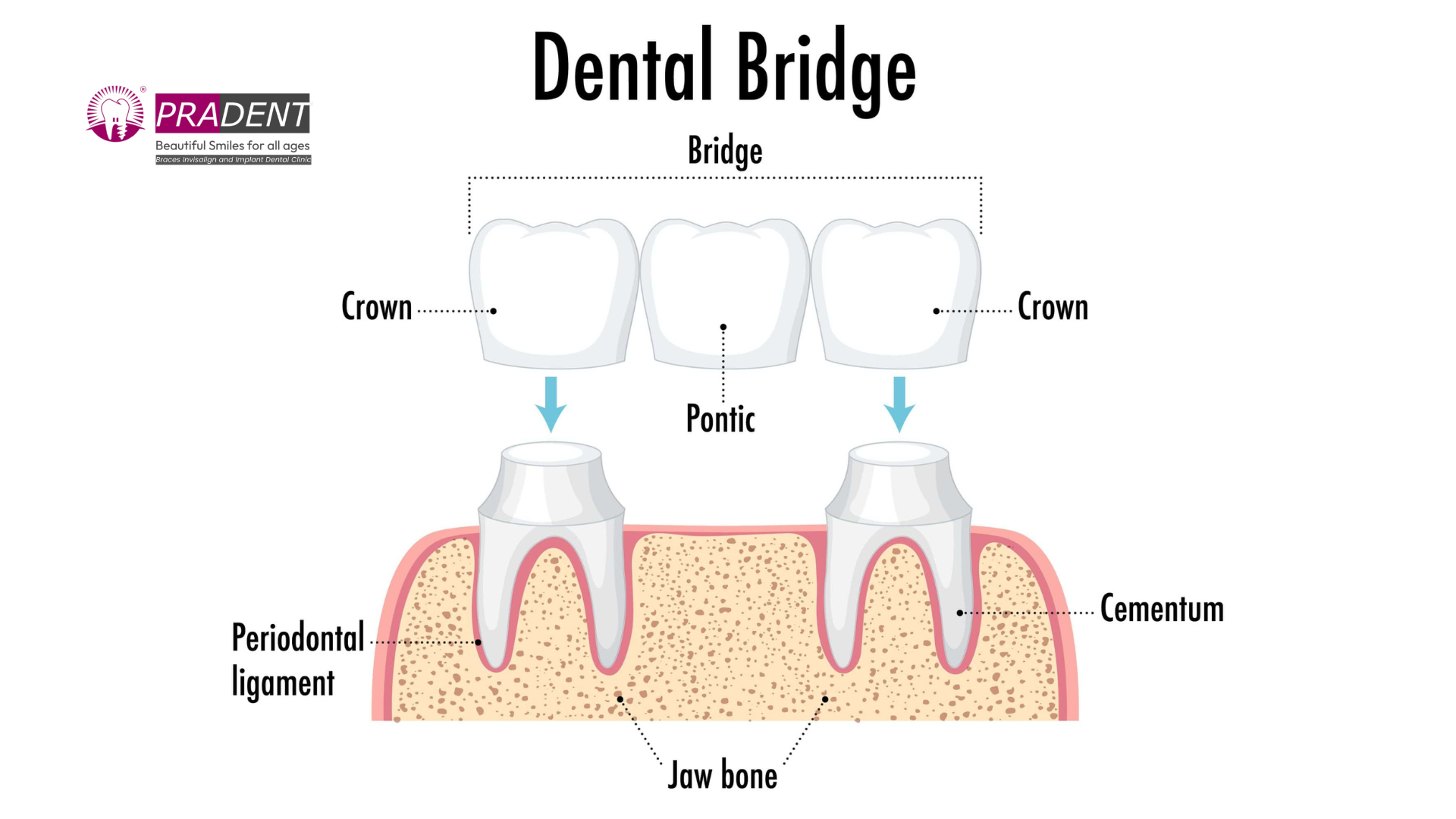
Bridges
- Anchor to neighbouring teeth to fill the gap
- Restore chewing function and appearance
- Do not stimulate the jawbone the way implants do
Dentures and Implant-Supported Dentures
- Suitable for replacing multiple or all missing teeth
- Implant-supported versions offer more stability and better bone support than traditional removable dentures
Why Timing Matters
The earlier a missing tooth is replaced, the easier the treatment tends to be, and the better the long-term outcome. Waiting allows neighbouring teeth to shift, bone to shrink, and the bite to become more complicated to correct, sometimes requiring additional procedures like bone grafting before a replacement can even be placed.
FAQs — Missing Teeth and Health
How soon should a missing tooth be replaced?
Ideally within a few months, before neighbouring teeth begin shifting and bone loss becomes more significant.
Does one missing tooth really matter that much?
Yes. Even a single gap can cause shifting, bite changes, and localised bone loss over time if left untreated.
Can missing teeth cause jaw pain?
Yes, uneven bite forces from shifted teeth can contribute to jaw joint discomfort and headaches.
Is a dental implant better than a bridge?
Implants are generally preferred because they stimulate the jawbone and don’t rely on neighbouring teeth for support, though the right option depends on your specific case.
Can gum disease from missing teeth affect the rest of my body?
Chronic gum inflammation has been associated with several systemic health conditions, making prompt treatment important for both oral and general health.
Multiple Missing Teeth: A Compounding Problem
The effects described above scale quickly when more than one tooth is missing. Bite forces become harder to distribute evenly, chewing efficiency drops further, and the jawbone loses volume across a wider area. Patients with several missing teeth often benefit from a full mouth rehabilitation approach, where the entire bite is evaluated and restored as a system rather than addressing one gap at a time.
What a Proper Evaluation Involves
- Clinical examination of the gap and surrounding teeth
- X-rays or a 3D scan to assess bone density
- Review of your bite and jaw joint function
- Discussion of replacement options suited to your specific case
This kind of assessment helps determine not just whether a tooth needs replacing, but how much bone support remains and which replacement option will hold up best over the long term.
Conclusion: Don't Underestimate a Gap
A missing tooth is never just a cosmetic concern. From bone loss and bite changes to broader links with systemic health, the consequences of delaying treatment tend to compound over time. The good news is that modern replacement options, particularly dental implants, can halt this chain of effects and restore both function and confidence.
If you’re living with a gap, even one you’ve grown used to, it’s worth having it properly evaluated. Early treatment is almost always simpler, more predictable, and more affordable than addressing the complications that build up when it’s left untreated.