Why iTero Digital Scanning Is Changing Orthodontics
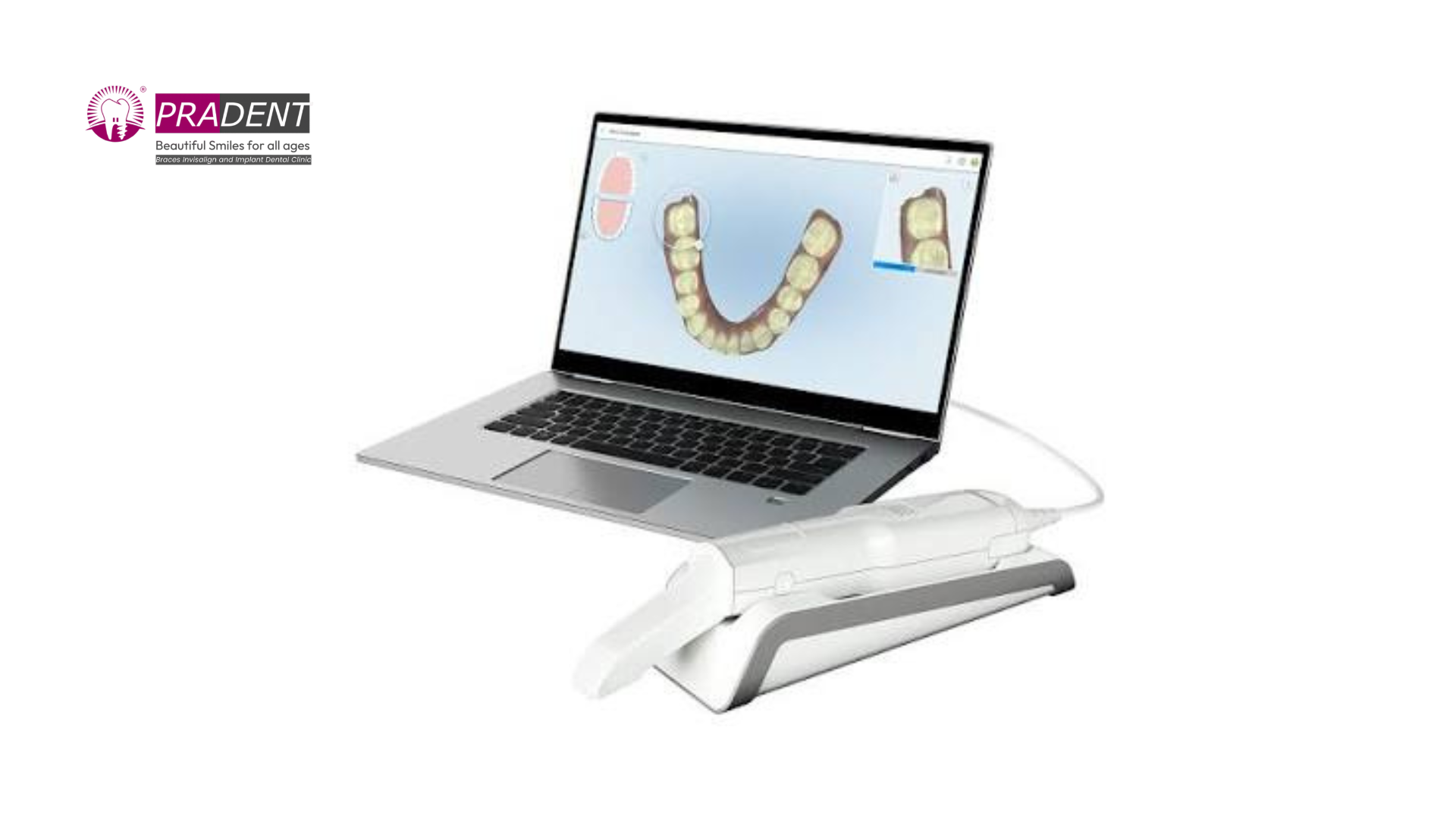
There was a time when starting orthodontic treatment meant biting into a tray of thick, gooey putty and holding still while it set, an experience most patients remember for all the wrong reasons. That step has quietly disappeared from many modern clinics, replaced by a handheld wand that scans your teeth in minutes.
This is iTero digital scanning, and it’s doing far more than making the first visit more comfortable. It’s changing how orthodontists plan, explain, and deliver treatment altogether.
What Is iTero Digital Scanning?
iTero is an intraoral scanning system that captures a highly detailed 3D digital model of your teeth, gums, and bite in just a few minutes. Instead of a physical impression, the orthodontist simply glides a small wand around your mouth while a screen builds a live, rotating 3D image of your smile in real time.
What the Scan Captures
- Precise tooth shape, size, and position
- Full arch and bite alignment
- Gum line contours
- A baseline record for tracking future changes
Why This Matters More Than It Sounds
A digital scan isn’t just a faster version of an old process, it’s fundamentally more accurate. Traditional putty impressions can distort slightly as they set or during removal, introducing small errors that carry through the entire treatment plan. A digital scan eliminates that variable almost entirely.
Digital scans are typically accurate to within microns, compared to the millimeter-level variability common in traditional impressions.
How iTero Scanning Changes the Orthodontic Experience
No More Impression Trays
For patients with a strong gag reflex or anxiety around dental procedures, this alone is a significant improvement. The scanning wand is compact, quick, and doesn’t require holding an uncomfortable position for minutes at a time.
See Your Results Before You Start
One of the most appreciated features is the ability to preview a simulated outcome of your treatment. Patients can see an approximate before-and-after visualisation of their smile, which makes the decision to move forward with Invisalign or braces feel far less abstract.
Faster Turnaround
Because the digital file goes straight into the treatment planning software, there’s no waiting for a physical mold to be shipped to a lab. This shortens the time between your consultation and receiving your first set of aligners.
Fewer Remakes and Adjustments
Since the digital model is precise from the first scan, there’s less chance of needing a redo due to a smudged or distorted impression, which used to be a fairly common delay in traditional workflows.
iTero and Invisalign: A Natural Pairing
iTero scanning is especially significant for clear aligner treatment. The scan data feeds directly into the aligner design software, mapping out the exact sequence of tooth movements needed to reach your final result. This tight integration is a major reason Invisalign treatment planning has become so precise over the past several years.
For patients comparing braces vs Invisalign, seeing a simulated digital preview of aligner treatment often makes the choice easier, since it turns an abstract idea into a visual, personalised plan.
The Scanning Process, Step by Step
Step 1 – Initial Examination
- Orthodontist reviews your teeth, gums, and bite
- Discussion of your smile goals and concerns
Step 2 – The Digital Scan
- Handheld wand captures your upper and lower arches
- Typically completed in under 5 minutes
Step 3 – 3D Model Review
- Real-time 3D image displayed on screen
- Orthodontist reviews bite alignment and problem areas together with you
Step 4 – Treatment Simulation
- Digital preview of projected tooth movement
- Estimated timeline discussed based on the scan data
Step 5 – Treatment Planning
- Digital file used to design your aligners or appliance
- Plan finalised and treatment scheduled
Beyond Orthodontics: Other Uses for Digital Scans
While closely associated with clear aligners, iTero scanning also supports other areas of dentistry, including digital smile design, monitoring gum recession over time, and creating precise records for restorative work like crowns or veneers.
Is Digital Scanning More Accurate Than Traditional Methods?
Clinical studies comparing digital and traditional impressions consistently show digital scanning holds a clear edge in precision, patient comfort, and consistency between visits. Because the same scanner can be used at every progress check-up, orthodontists can track tooth movement against the original digital model with a level of accuracy that wasn’t possible with physical molds.
What This Means for Treatment Outcomes
- More predictable Invisalign treatment planning
- Fewer surprises partway through treatment
- Better communication between patient and orthodontist
- More comfortable visits from start to finish
None of this replaces clinical judgment or years of orthodontic training, but it does give an experienced orthodontist far better data to work with, which translates into more predictable, efficient treatment for the patient.
Choosing a Clinic With Digital Scanning Technology
Not every dental clinic has invested in intraoral scanning technology, so it’s worth asking directly when researching an orthodontist near you. Clinics that use iTero scanning as standard practice are generally signalling a broader commitment to modern, precision-based treatment planning rather than relying on outdated methods.
FAQs — iTero Digital Scanning
Is the iTero scan uncomfortable?
No. Most patients describe it as quick and easy, with no gagging or discomfort compared to traditional impression trays.
How long does a digital scan take?
A full scan of both arches usually takes under 5 minutes.
Can I see my projected results immediately?
Yes. Many clinics can generate a simulated preview of your treatment outcome right after the scan.
Is digital scanning only used for Invisalign?
No, it’s also used for braces planning, smile design, retainers, and monitoring changes in your bite over time.
Does digital scanning cost extra?
Most clinics include digital scanning as part of the standard consultation or treatment package, though it’s worth confirming with your provider.
How Digital Scans Improve Long-Term Monitoring
Orthodontic treatment isn’t a single moment, it’s a series of small adjustments tracked over months. Because iTero scans are digital, each progress scan can be overlaid on the previous one, giving your orthodontist a precise, visual record of how much your teeth have actually moved compared to what was planned.
This makes it much easier to catch a tray that isn’t tracking correctly early, rather than discovering the issue several appointments later. For patients, it also means every progress visit comes with a clear, visual answer to the question, “Is this working the way it’s supposed to?”
A Better Experience for Nervous Patients
Dental anxiety is common, and impression trays are frequently cited as one of the more unpleasant parts of a first orthodontic visit. Replacing that step with a quick, wand-based scan removes a real barrier for patients who might otherwise delay treatment altogether. This is especially relevant for adults returning to orthodontic care after avoiding it for years.
Conclusion: A Smarter Starting Point for Treatment
iTero digital scanning has replaced one of the most uncomfortable parts of orthodontic treatment with a faster, more accurate, and genuinely more informative process. From the first visit, patients get a clear, visual understanding of their bite, their treatment options, and what their finished smile could look like.
If you’re exploring Invisalign or braces, it’s worth choosing a clinic that uses digital scanning technology, not just for the comfort, but for the precision it brings to every stage of your treatment.