7 Habits That Slowly Damage Your Teeth Without You Realising
Most dental damage doesn’t happen overnight. It builds quietly, through everyday habits that feel harmless in the moment but add up over months and years. By the time a problem shows up, whether it’s a cracked tooth, receding gums, or worn-down enamel, the habit behind it has usually been in play for a long time.
Here are seven common habits that quietly damage teeth, and what to do instead.
1. Brushing Too Hard
It feels like brushing harder should clean better. In reality, aggressive brushing, especially with a medium or hard-bristled brush, wears down enamel and pushes gums back, exposing the sensitive root surface underneath.
- Warning signs: sensitivity to hot or cold, a notch near the gumline
- Fix: use a soft-bristled brush and gentle, circular motions
- Fix: replace your brush every 3 months, sooner if bristles fray quickly
2. Using Teeth as Tools
Opening a packet, tearing tape, cracking a bottle cap with your teeth, it’s convenient in the moment, but teeth aren’t designed to withstand that kind of sideways or twisting force. A single moment of using your teeth the wrong way can cause a chip or crack that no amount of brushing could have prevented.
- Warning signs: a sudden sharp edge, visible chip, or sensitivity after biting something hard
- Fix: keep scissors or a bottle opener within reach instead
3. Constant Snacking and Sipping
Every time you eat or drink something sugary or acidic, your teeth enter an acid attack phase that can last 20 to 30 minutes. Constant grazing throughout the day, or sipping sugary or acidic drinks slowly over hours, keeps your mouth in that acidic state almost continuously, giving enamel very little time to recover.
- Warning signs: increased cavities despite regular brushing
- Fix: stick to defined meal and snack times rather than continuous grazing
- Fix: use a straw for acidic or sugary drinks to reduce contact with teeth
4. Grinding or Clenching Your Teeth
Bruxism, the medical term for teeth grinding or clenching, often happens unconsciously during sleep or during stressful moments in the day. Over time, it wears down enamel, causes jaw pain, and can even lead to cracked teeth.
Many people with bruxism don’t realise they grind their teeth until a dentist points out visible wear patterns.
- Warning signs: jaw soreness in the morning, flattened tooth edges, headaches
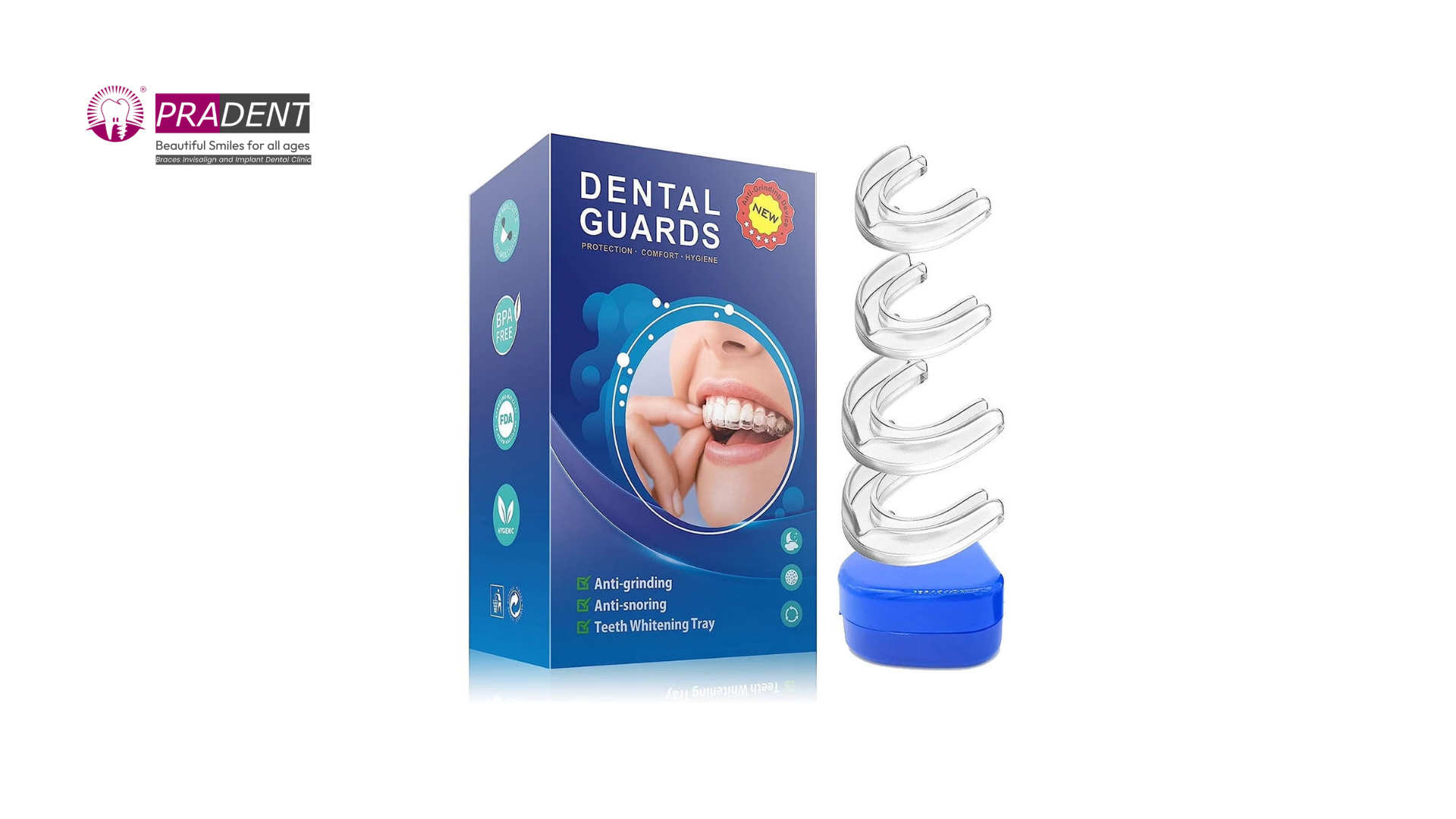
- Fix: a custom night guard for bruxism, fitted by your dentist
- Fix: stress management techniques if clenching is linked to anxiety
5. Nail Biting and Pen Chewing
These habits put repeated, concentrated pressure on the front teeth, gradually causing them to shift, chip, or wear unevenly. Nail biting also introduces bacteria from under the nails directly into the mouth.
- Warning signs: uneven or jagged front teeth, minor chips
- Fix: keep hands occupied with a fidget object during stressful moments
- Fix: bitter-tasting nail polish can help break the habit
6. Skipping Regular Dental Check-ups
Many people only visit the dentist when something hurts. By that point, a small issue like early decay or gum inflammation has often had months, sometimes years, to progress into something requiring more extensive treatment.
- Warning signs: none, that’s exactly the problem with skipping check-ups
- Fix: a dental checkup every 6 months, even without visible symptoms
- Fix: professional scaling and polishing to remove tartar buildup brushing can’t reach
Preventive dentistry consistently costs less, both financially and in terms of discomfort, than treating a problem after it has progressed.
7. Ignoring Bleeding Gums
Gums that bleed slightly during brushing are often dismissed as normal, but healthy gums shouldn’t bleed. It’s usually an early sign of gum inflammation, which, left untreated, can progress toward more advanced gum disease and eventually affect the bone supporting your teeth.
- Warning signs: bleeding during brushing or flossing, persistent bad breath, red or swollen gums
- Fix: a gum treatment consultation if bleeding persists beyond a week or two
- Fix: consistent flossing, which is often the missing piece in most oral care routines
Why These Habits Are Easy to Miss
None of these habits cause dramatic, immediate damage. That’s exactly what makes them dangerous, the effects accumulate slowly enough that by the time a problem becomes noticeable, it’s often already progressed further than expected. Regular dental check-ups are one of the few reliable ways to catch this kind of gradual damage early.
It also helps to remember that these habits often overlap. Someone who snacks frequently and also brushes aggressively right after eating, for instance, is combining acid exposure with mechanical wear at the same time, since enamel is temporarily softened by acid and more vulnerable to abrasion in that window. Waiting 30 minutes after eating before brushing is a small adjustment that protects against exactly this kind of compounded damage.
Building Better Habits Long-Term
- Brush twice daily with a soft-bristled brush and gentle pressure
- Floss once a day to clean between teeth where brushing can’t reach
- Limit snacking and acidic drinks to specific times of day
- Address stress-related habits like grinding or nail biting directly
- Keep every 6-month dental check-up, even when nothing feels wrong
FAQs — Everyday Dental Habits
Can worn enamel from hard brushing grow back?
No, enamel doesn’t regenerate once lost. Prevention through gentler brushing is the only way to protect it going forward.
Is teeth grinding always related to stress?
Stress is a common trigger, but bruxism can also be linked to bite misalignment or sleep-related factors, which is why a dental evaluation is worthwhile.
How do I know if I grind my teeth at night?
Common signs include morning jaw soreness, headaches, and flattened or worn tooth edges, which your dentist can identify during a check-up.
Why do my gums bleed only sometimes?
Even occasional bleeding indicates some level of gum inflammation and is worth mentioning at your next dental visit.
How often should I really see a dentist?
Every 6 months is the standard recommendation, even if you have no pain or visible issues.
When a Habit Has Already Caused Damage
If you recognise several of these habits in your own routine, it doesn’t necessarily mean serious damage has already occurred, but it’s worth getting checked rather than waiting for pain or visible symptoms to appear. A dentist can assess enamel wear, gum health, and bite alignment, and recommend simple corrective steps, from a night guard to a professional cleaning, before minor wear turns into a bigger problem.
This is particularly true for habits like grinding and hard brushing, where the damage is often invisible to the person doing it and only becomes obvious once a dentist points out the wear pattern during an examination.
Conclusion: Small Habits, Long-Term Impact
Most dental problems don’t start with a dramatic event, they start with small, repeated habits that quietly wear teeth down over time. The good news is that every habit on this list is fixable once you recognise it, often with small, simple changes to your daily routine.
If it’s been a while since your last check-up, that’s usually the best place to start. A dentist can spot early signs of damage from these habits long before you’d notice them yourself, and catch small issues while they’re still easy to treat.